What Life on the Road Actually Requires
There is much more to life on the road than pretty pictures and the freedom to drive our home wherever we please.
May 10th, 2026
There is much more to life on the road than pretty pictures and the freedom to drive our home wherever we please.
May 10th, 2026
Life on the road is not all that Instagram makes it out to be. We, like everyone, tend to share the highlights: the sunsets, beach days, picturesque hikes and time spent with family and friends as we travel around the west. Yet there is much more to travelling and living in a travel trailer as a family of four. If you're ever considering life on the road, here are some things to consider before you make the leap.
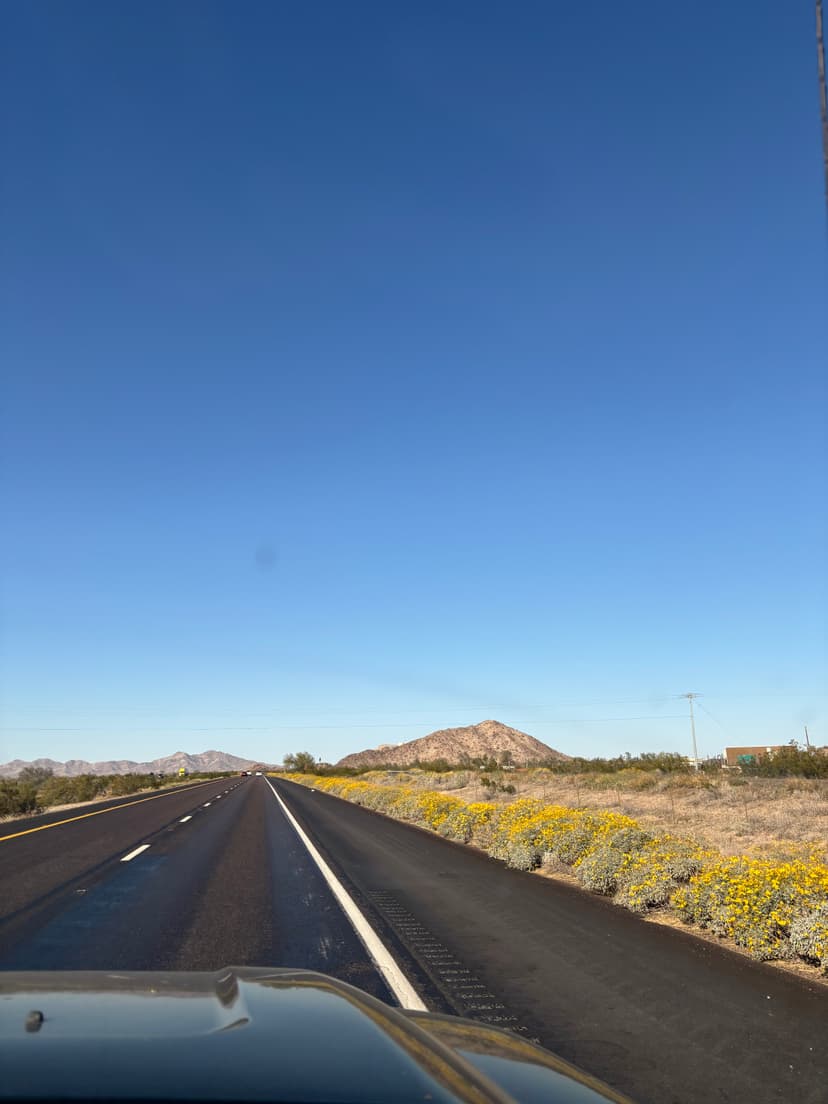
Even the smoothest travel days can be exhausting. Our drive from Oceanside, CA to Cottonwood, AZ was about as smooth as it gets: great weather, no traffic, minimal wind, happy kids, easy gas stops, good snacks. And it was still exhausting. Towing a trailer is much more stressful and mentally draining than a regular road trip. You get passed by semis, are constantly trying to predict which impatient driver is going to try to pass without warning, and cannot risk taking a wrong turn and getting stuck on a road where trailers don't belong.
And once we are done driving and parked in our newest campsite there is still a lot to do: leveling, unhitching, hooking up the water and sewer, putting out the slide and resetting anything that had to be rearranged inside. And inevitably we are all hungry, or worse, hangry, by this point and in a rush to make lunch as soon as we get our home set up.
Tiny living means we don't have much and use everything we have a lot. Shoes wear out faster, shirts get stained on travel days, hats and bags get dingy fast.
This goes for our home as well: trailers are built for weekend trips, not full time living. Our dinette cushions started peeling and looked half deflated by the time we replaced them, cabinets chip, water fittings leak and the lock to our front door broke within a few months of moving in.
On that same note, trailer life requires constant maintenance. The trailer itself needs upgrades to faucets and plumbing, screens and doors. Screws come loose, pieces fall off, things stop working. Sometimes we set up in a new spot and our bedroom door won't close and needs to be fixed. If you're not handy, (or don't have a very handy, engineer husband) the constant maintenance would be especially challenging, not to mention expensive. If we had to call an RV repair tech every time something broke we'd have someone over here every month, if not more.
Maintenance also includes all our gear. A truck bed is not the most recommended storage for surfboards, skis, mountain bikes, etc. and the combination of constant vibrations from driving, salt air, humidity and desert sun put a lot more wear and tear on our gear than when everything was stored in our garage. Our bikes need more repairs and maintenance to continue functioning properly and, again, everything wears out faster living on the road.
While, yes, a small space is faster to clean, it also gets dirty fast. No mud room or entryway means dirt is tracked right into the living room and kitchen. We sweep and the floor is almost instantly gritty once again. While bedrooms in a house tend to stay pretty clean since they are far from the front door, our bedroom door is only two steps from our front door and gets the kind of grime an entryway typically gets.
One misplaced dirty dish renders our whole kitchen basically useless. A phone call in the other room is easily overheard in the next room. Messes feel louder and more in your face. Togetherness is the default. Emotions and conflict feel bigger with less space to retreat and cool off. Most days we love our cozy, tiny home, but hard days make it feel even smaller.
A tiny home and one vehicle means alone time is hard to come by. It's harder to make it happen and can be especially difficult to find time alone at home. And even when I am alone in another room at home, the thin walls are a reminder that I'm not truly alone. Alone time often means going on a solo walk, solo surfing, or a yoga class-- squeezing in moments to reset.
Life on the road asks more of you than the photos suggest. It requires flexibility, patience, problem-solving, and a willingness to sit with discomfort. It requires sacrificing a lot of parts of "normal life" that you may be used to while living a more traditional life in a traditional home. The hard parts don’t mean this life isn’t working—they mean it’s real.
For us, the challenges are part of the tradeoff. The maintenance, the exhaustion, the lack of space also mean deeper connection, slower days, freedom and flexibility of where and how we live, and the privilege of learning and growing together in new places.
If you’re considering this life, don't overlook the challenges and downsides. Life on the road is not for the faint of heart. It's a lifestyle we love, but is definitely not for everyone.